Inside the Society of Hospitality Workers. (Originally Published on substack 2026/05/04)
In the spring of 2024, a chef working two jobs in downtown Toronto stopped getting paid by one of them. She and four co-workers went weeks without paycheques. Five Labour Board complaints were filed. Nothing came of them.
She mentioned it during a meeting with a Toronto-based group called the Society of Hospitality Workers (SHoW). They suggested something simpler than waiting on the Labour Board. Someone could just go with her to the restaurant.
A SHoW member named Ashley went that afternoon. She had a business card, a few questions, and not much else. She said they wanted to understand what was going on and make sure everyone got paid. The restaurant got testy. Then they cut the chef a cheque. Same day. The other workers were paid in the days that followed.
“Direct action works,” Andrew Wilson, the lead organizer of SHoW, told me later. “It works a lot faster than people think.”
The Society of Hospitality Workers is not a union, exactly. It’s a model that doesn’t fit neatly into existing labour structures: a grassroots membership organization built for an industry that has always fallen through the cracks of traditional labour organizing. No single employer to bargain with. No clear entry point for a conventional union drive. Nearly 200,000 workers across the city — cooks, bartenders, servers, dishwashers — most of them without benefits, many without recourse when things go wrong.
Andrew started the org out of a weekly meeting, a borrowed event space, and a conviction that if the industry wasn’t going to fix itself, workers were going to have to do it for themselves. “If we don’t do it for ourselves,” he told me, “they are just going to let this fall apart beneath them.”
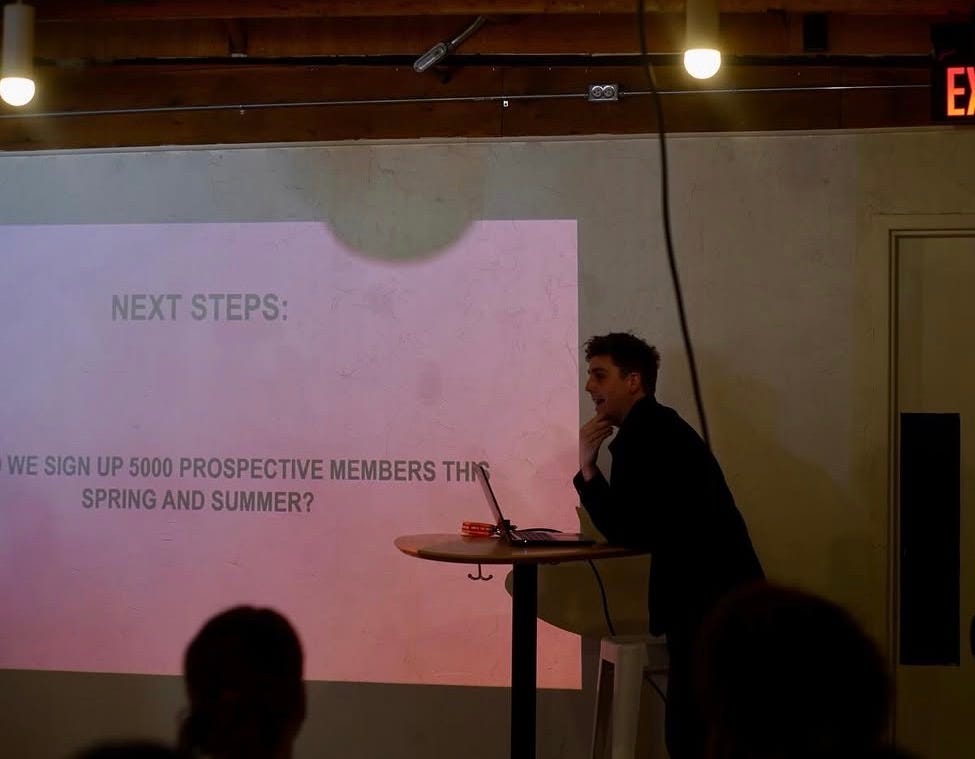
Right now SHoW has about 100 members. The goal is 500 to start, which would be enough to approach a benefits provider and negotiate a portable health plan for under $40 a month, tied to membership rather than employment. Lose your job, change restaurants, pick up a seasonal gig, and your benefits come with you.
It’s a small number for a big idea. But the spring 2024 case wasn’t the last time SHoW showed up for someone. It was just the first.
The math behind SHoW’s benefits model is straightforward, even if the execution isn’t. Approach a benefits provider not as an individual restaurant (where seven staff members might cost hundreds of dollars per person per month) but as an industry bloc. Show up with thousands of members willing to pay $30 to $40 a month and suddenly you have leverage.
Andrew stumbled onto confirmation of this from an unlikely source. A regular at the bar where he lives above mentioned he was in insurance. Andrew pitched him the idea. A week later the guy came back.
“He’d actually talked to his boss,” Andrew told me. “And his boss said, why wouldn’t I take that deal? He said, ‘If they’ve done all the hard work for me, we’re just negotiating a price.’”
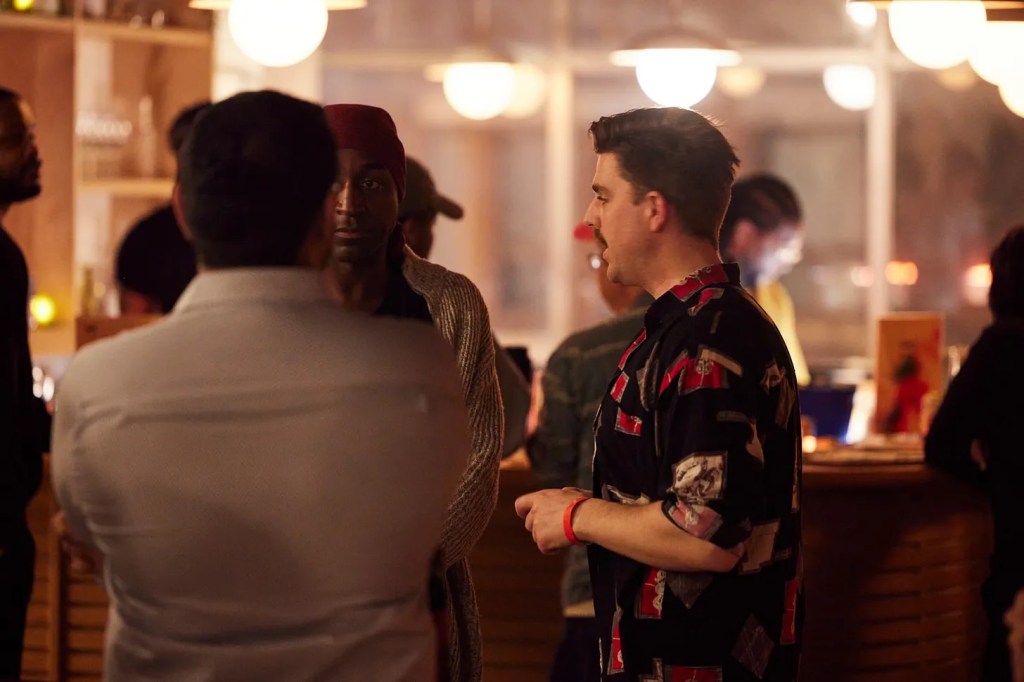
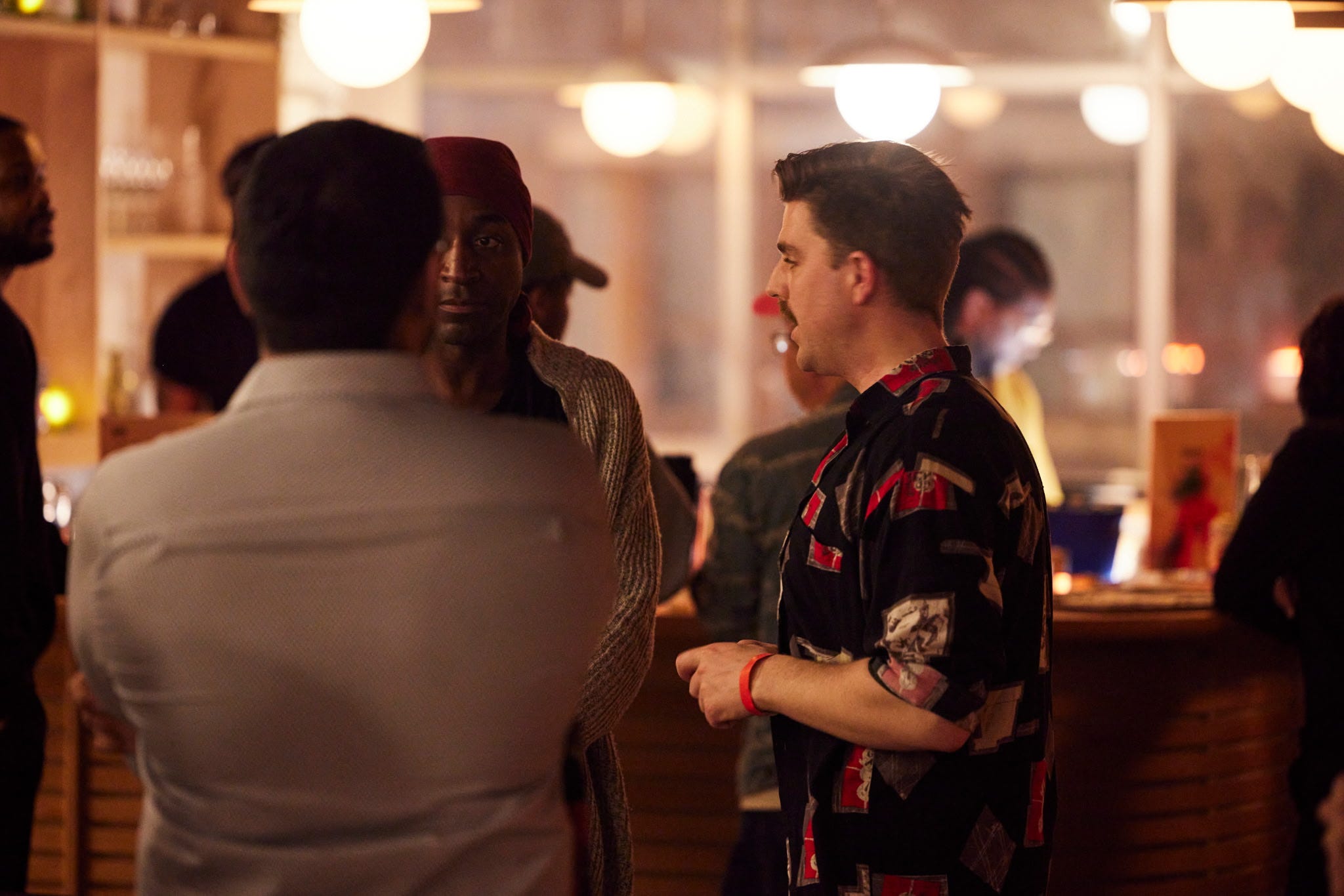
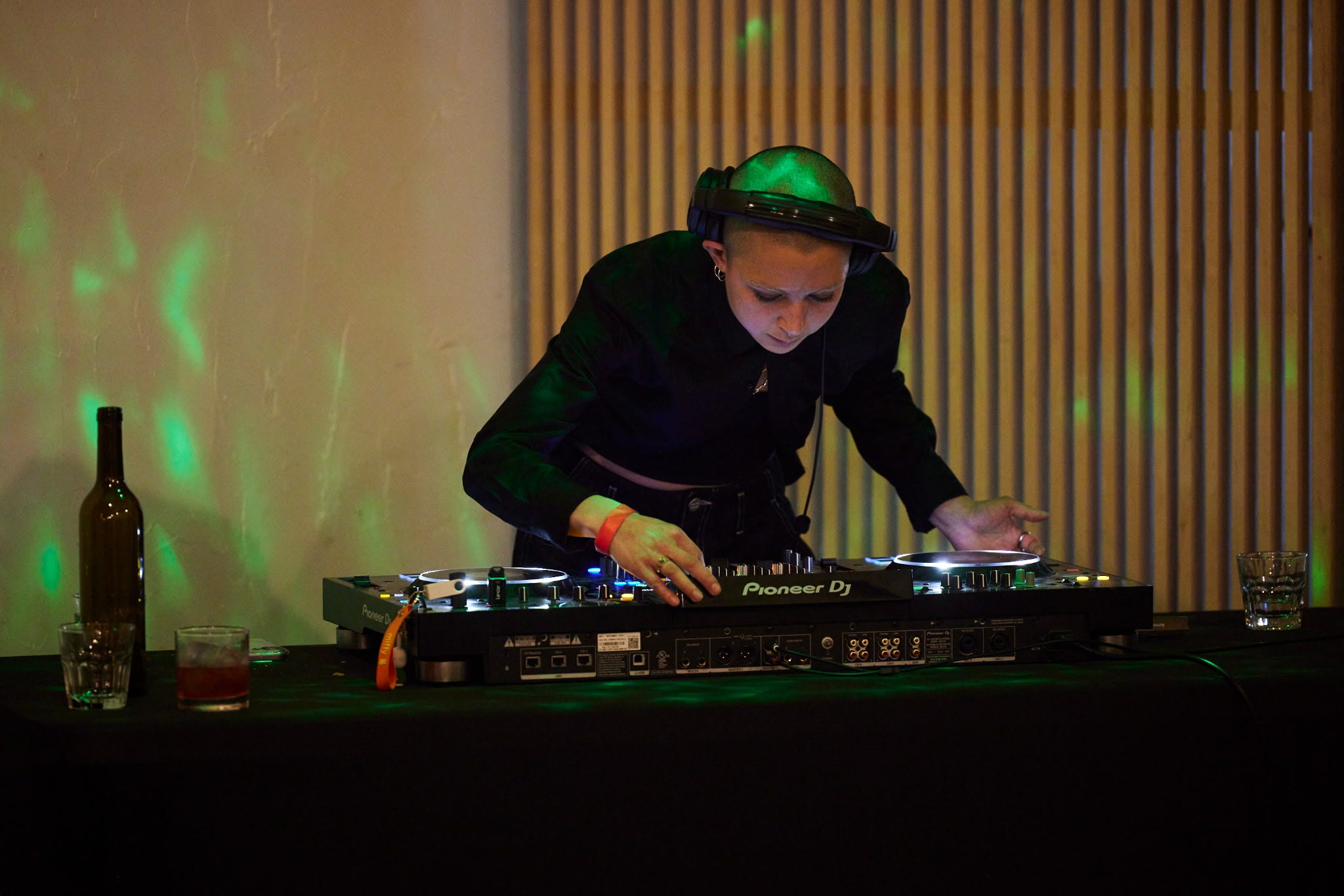
The hard work, in this case, is the membership drive. And it’s already showing signs of life. SHoW’s first town hall drew about 45 to 50 people — nearly triple what Andrew expected. The second nearly doubled that. The most recent event, held at Third Place on Ossington, was less town hall and more celebration: a DJ, a food vendor, cocktails from bartenders who volunteered their time, door prizes including a kegerator that Andrew was very upset he wasn’t allowed to enter the raffle for.
“I wanted the kegerator so badly,” he said. “But I’m not allowed to enter.”
Liquor sponsors came on board. Brochures got printed. People showed up and immediately asked what they could do to help.
“I almost expected I’d have to inspire you to do something,” Andrew said. “And everyone’s just like, here, put me in the right direction.”
Maddy Ross, who helped put the most recent event together, sees the same thing. “There’s no convincing necessary when we do outreach because every person in the industry already knows what a difference access to benefits would make for their lives and careers,” she told me.
The need for portable benefits in Ontario’s precarious workforce continues to be an ongoing conversation. In 2022, the provincial government struck the Portable Benefits Advisory Panel, tasked with designing a program for workers who fall outside traditional employer-provided coverage — specifically flagging that less than a quarter of part-time and precarious workers in Ontario have any benefits at all. The panel published its findings. No program followed.
Existing options remain out of reach for most independent hospitality workers. The Canadian Hospitality Health Plan, a federal not-for-profit founded by hotel and lodging associations, is employer-facing — businesses opt in on behalf of their staff, which means it’s only as accessible as your employer is willing to make it. UNITE HERE, the major hospitality union in Canada, covers workers in unionized hotels and large venues. For the cook at a twelve-seat ramen spot, the bartender picking up shifts at three different bars, the server who just got laid off when the patio closed — there is effectively nothing.
That’s the gap SHoW is trying to fill — the workers themselves.
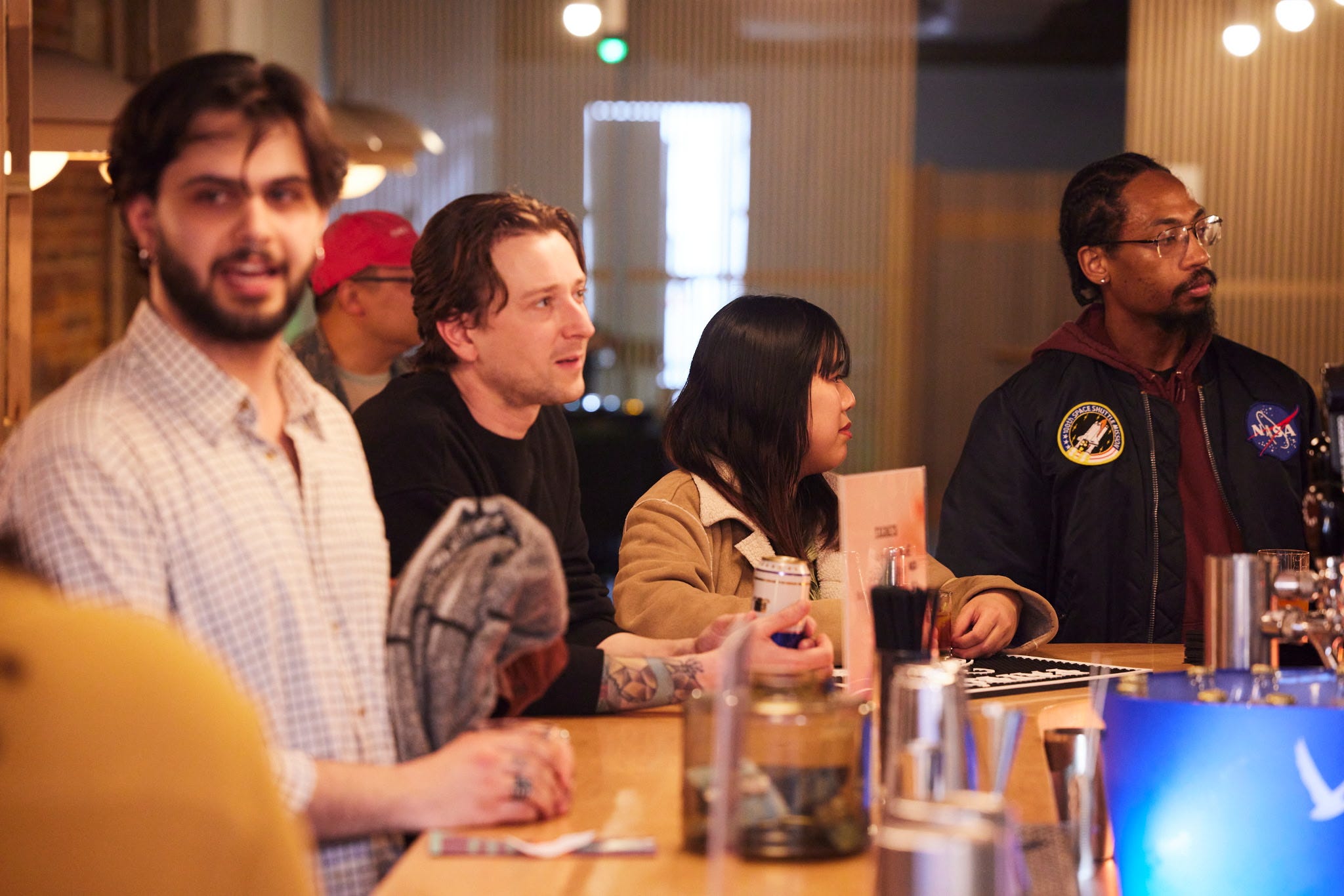
For now, SHoW’s membership skews heavily toward front of house workers — bartenders, servers, floor staff. The cooks, the dishwashers, the prep staff working in the back — the people arguably most exposed to wage theft and unsafe conditions — are largely absent.
Andrew is aware of the gap. He sees the FOH skew not as a failure but as a starting point. “I think everyone understands that there is a bit of a wage disparity between front of house and back of house,” he told me. “But I don’t believe there’s ever been a truly honest and democratic conversation about trying to address that.”
That conversation, in the industry and online, tends to collapse quickly into a debate about tips — who gets them, how they’re split, whether the culture around them has gotten out of hand. The problem, as he sees it, isn’t that front of house workers are taking too much. It’s that the business is the wrong place to look for a solution.
“There is no uniform or regulated way that tips are distributed,” he said. “It’s really messy and in some ways criminal the way tips are treated.”
Andrew’s solution is to build an organization big enough to lobby for wages that actually lift the entire sector, front and back, without pitting one side against the other.
The timing of SHoW’s emergence is not accidental. Toronto’s food and beverage industry is still absorbing the aftershocks of the COVID-19 pandemic — a period that promised, repeatedly, that things would have to be different on the other side. For many workers, different has meant worse. Closures are accelerating. The cost of running a small independent restaurant has never been higher. And the protections that workers in other industries take for granted — benefits, job security, legal recourse — remain as elusive as ever.
“We were promised constantly by politics and leaders that things are going to have to be different coming out of the pandemic,” Andrew told me. “And we do agree that they are a lot different. They’re worse. They’re continually getting worse.”
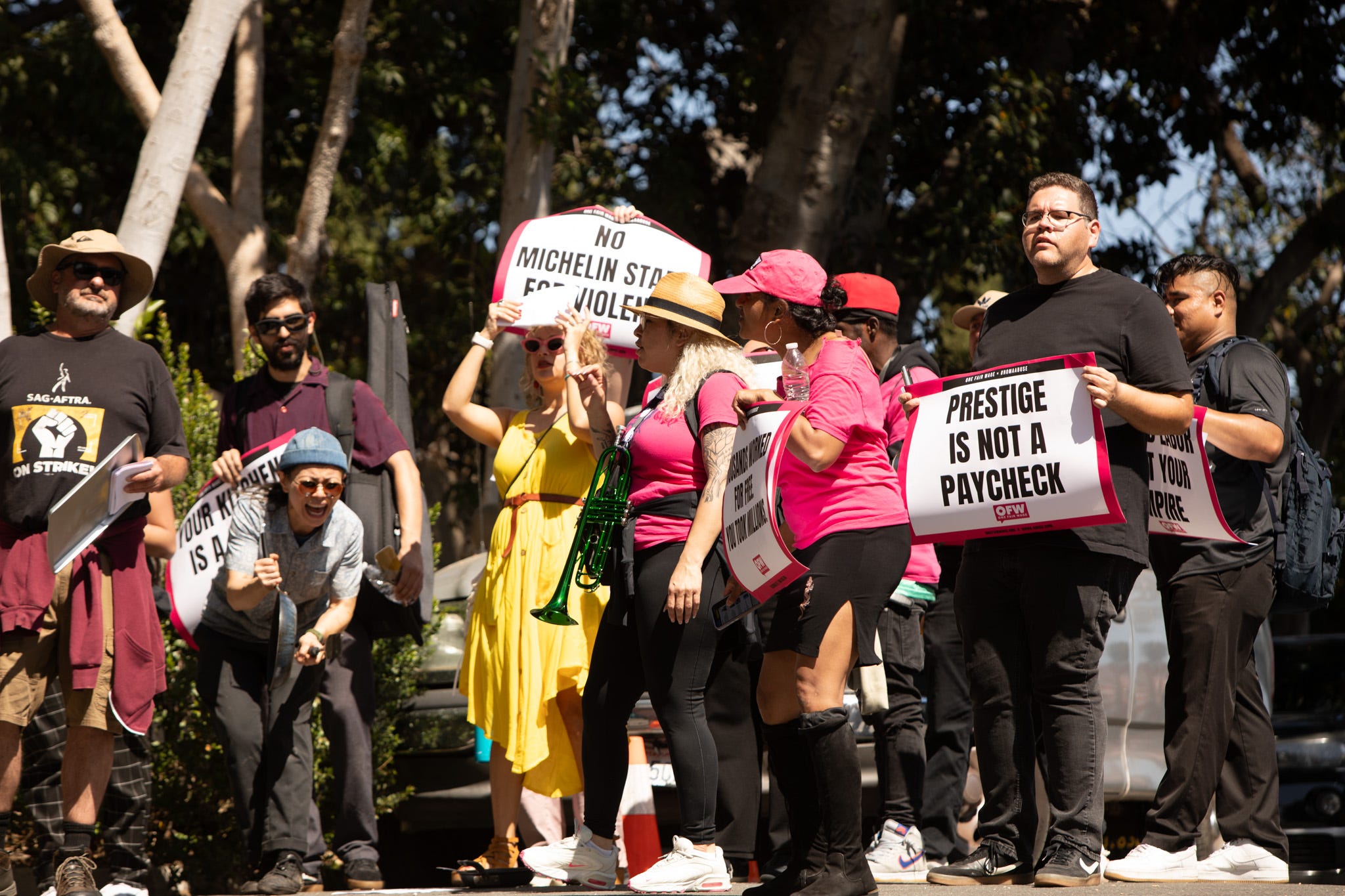
It’s a sentiment that has been building across the industry, not just in Toronto. Earlier this year, workers and advocates gathered outside the Noma pop-up in Los Angeles to protest the conditions behind one of the world’s most celebrated restaurant brands. The protest pulled back the curtain on what fine dining costs the people who make it possible — unpaid stages, chronic injury, abusive cultures of obedience. SHoW is trying to build the infrastructure that would have prevented those workers from having to take their grievances to a sidewalk in the first place.
For Ranger, a Culture of Cities Studio organizer who helped put the most recent event together, the night clarified something about why this moment matters. “Whether it’s vision, dental, mental health, or the physical demands of the job, our industry remains one of the least protected when it comes to benefits,” he told me. “What stood out most was seeing so many people — many without coverage — openly discussing solutions and finding ways to support one another moving forward.”
For Maddy, the night clarified something about what SHoW actually is. “In a way, SHoW is just formalizing the solidarity that already exists,” she said.
That’s the bet SHoW is making: that the industry already knows what it needs. That the workers are already there, already ready, already asking what they can do. That the only thing missing is the infrastructure to hold it all together.
SHoW currently has about 100 members. It needs hundreds more before a benefits plan becomes possible, thousands more before it becomes powerful.
“Addressing the precarity in the industry is not going to come up in politics until we as an industry bring it up for them,” Andrew said. “That’s what I want our organization to do.”
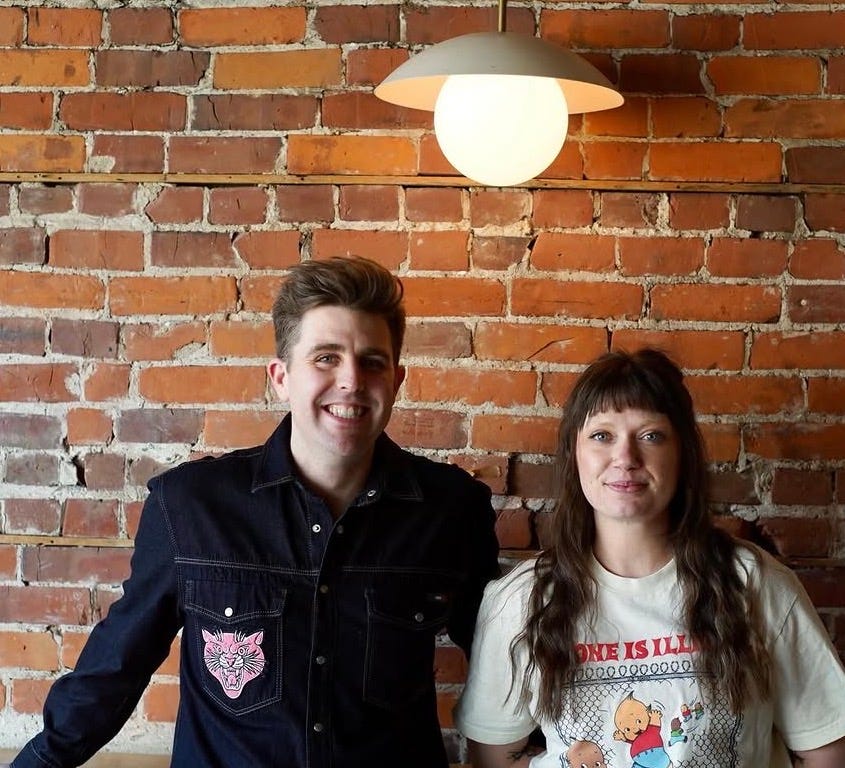
Learn more about the Society of Hospitality Workers at withtheshow.org


Leave a Reply