For eight weeks, I’m finding out if Ontario-grown food can actually sustain a Scarborough kitchen. (Originally published on substack 2026/06/30)
In the year since I left the culinary industry, I’ve been trying to repair my relationship with food altogether. I think that means my perspective needs a bit of an adjustment.
I used to romanticize Bourdain and Eddie Huang. Confident, outspoken, talented grown men who made food look like freedom: a passport to any city you wanted, meeting like-minded creatives and using what a place had to feed the people around them.
I’d watch Bourdain slurp cao lầu on a humid night in Vietnam, or Eddie Huang filming in Taiwan surrounded by beautiful markets, and feel envy.
After working on the line, that romanticization turned into daily locker-room self-deprecation. I started daydreaming abroad. I used food for study, then comfort, then survival.
For a while, I chased that escape abroad, looking to other time zones to help me fall back in love with food. When the travel stopped and my budget contracted, the question landed squarely back in my own kitchen: how do I cook with what’s actually here?
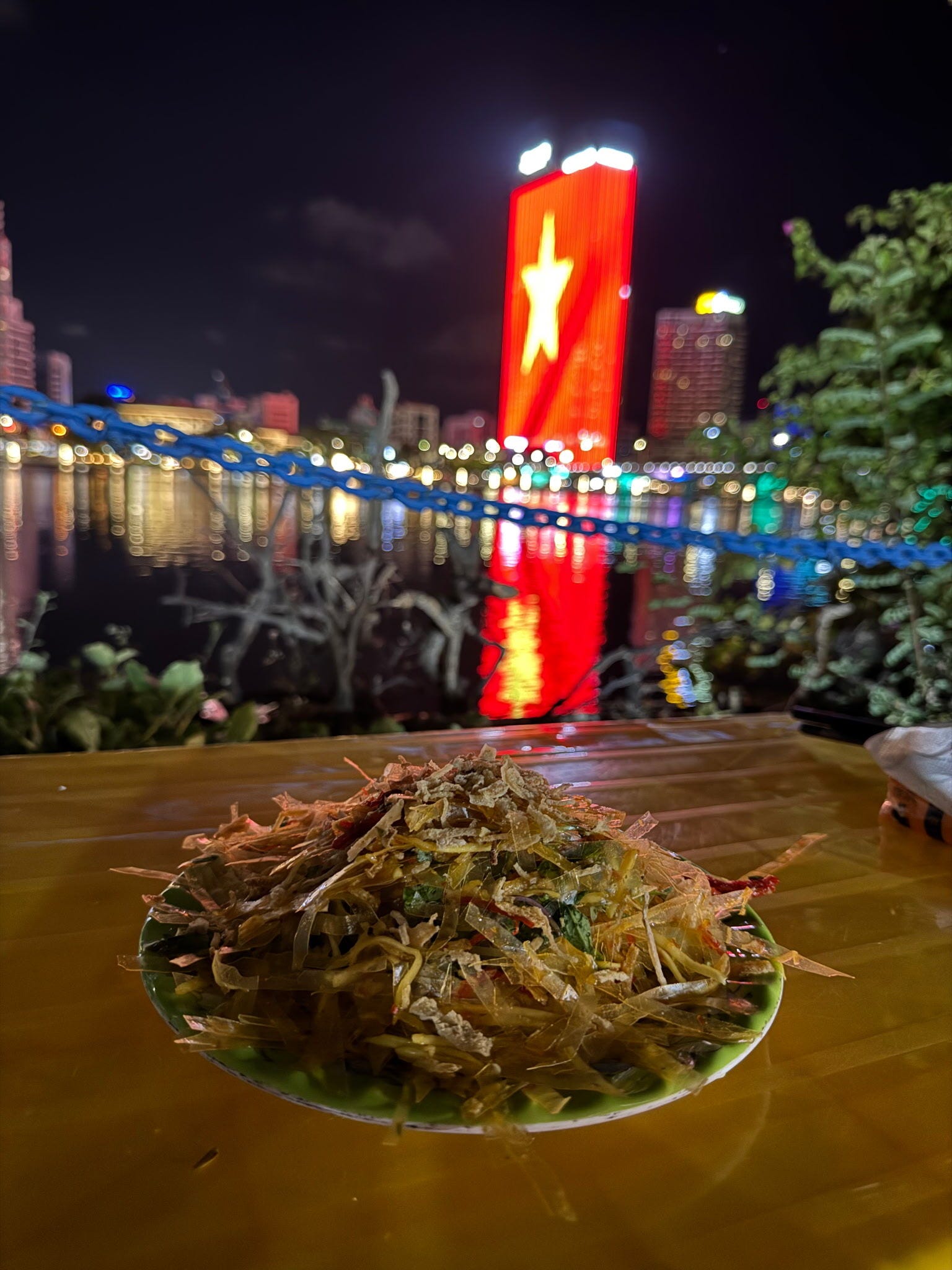
The honest answer was that I didn’t. In the year after I left the industry, I mostly chose convenience over cooking. When you live in Scarborough, you don’t need a passport to eat the world—you can get jerk chicken, KBBQ, and samosas all in the same week. Dinner became a matter of what showed up at the door or heated up fast, stripped of any real thought. It was entirely unmoored from the way I grew up watching my tita cook: from the yard, from the season, from whatever was alive that week.
That was part of what I had missed. Ontario food is not entering immigrant kitchens for the first time. The question is whether the province’s idea of local food can recognize the routes by which it has already been getting there.
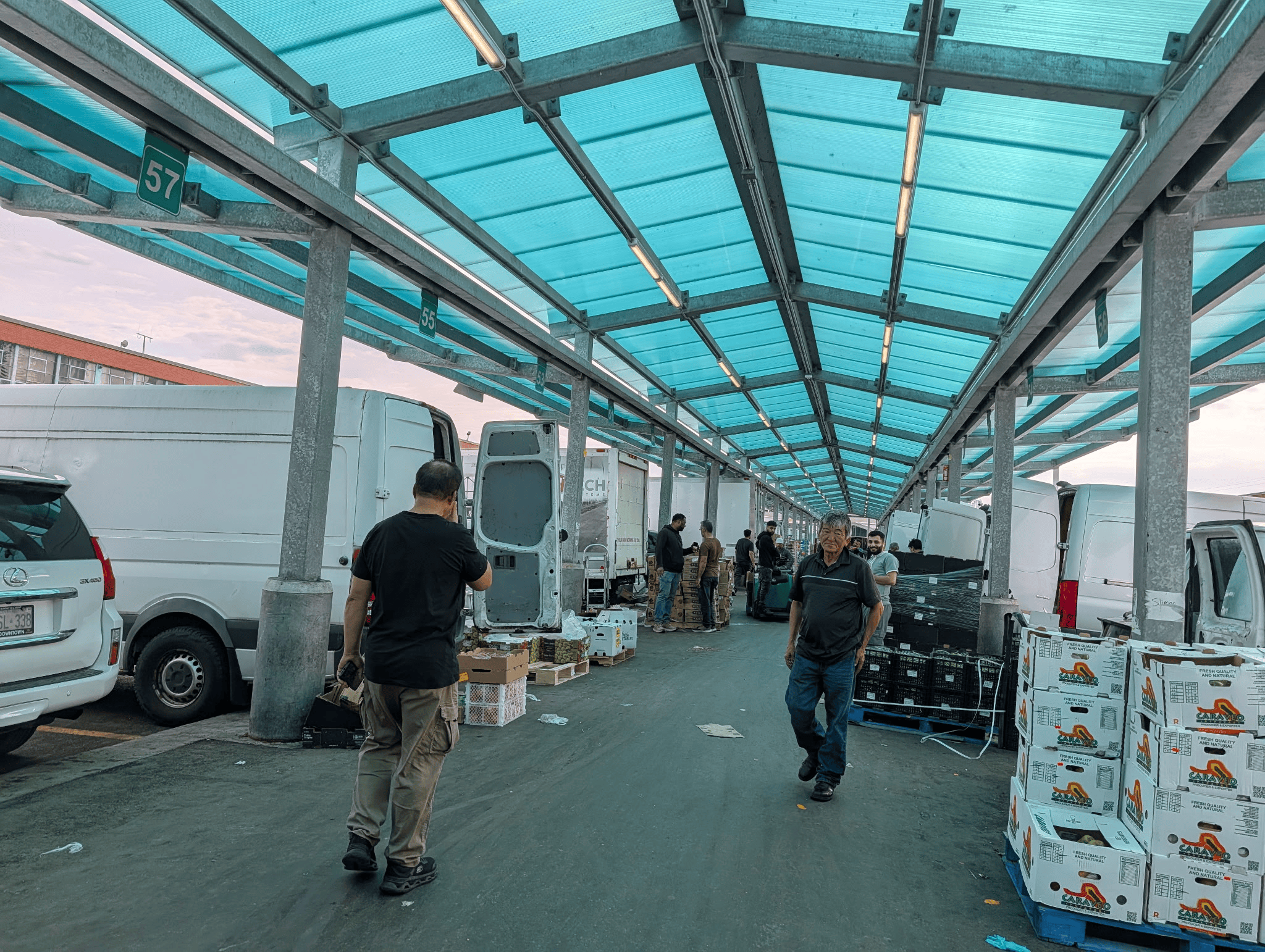
In the first two parts of Fresh, But Not Home, I was trying to understand why food can be grown here and still not feel local once it reaches an immigrant kitchen. I went to the Ontario Food Terminal looking for some of the infrastructure behind that question. This summer, I want to see what it looks like once I bring it back home.
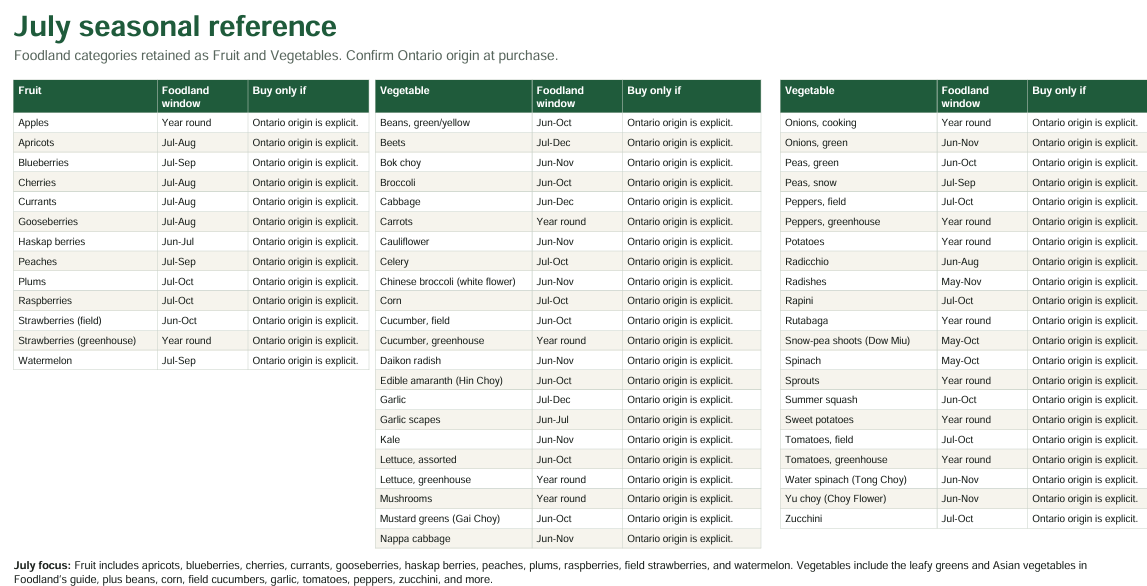
For July and August, I’m using Foodland Ontario’s seasonal guide to cook dinner in the kitchen I actually have. The groceries I can find in Scarborough. The pantry my family already uses. The days when I’m tired. The meals that still have to taste right.
Every week, I’ll make three dinners.
One is a weeknight dinner: something I’d realistically cook after work, errands, or a day when I don’t have much in me. I’ll track what it cost, where I had to go, how much planning it took, and whether I’d actually make it again.
One is a cultural continuity dinner: something recognizably Filipino, or at least clearly in conversation with Filipino cooking. I want to know what has to be imported for the dish to still feel like itself.
The third is an Ontario-only dinner: I’ll use ingredients whose Ontario origin I can verify. Salt and water are exempt. Cooking fat has to be Ontario-sourced too. Everything else that fills the meal or gives it its flavour needs a clear origin.
I’ll start at the grocery stores I already use. If I can’t find an Ontario option there, or I can’t tell where it came from, I can check a farmers’ market or farm. But if it takes another trip, more money, or planning around market hours, I need to count that too. A food can exist without being easy to get.
Every dinner needs at least one Ontario-grown seasonal fruit or vegetable doing real work in the meal. It can be the base of a soup, the main vegetable in a stir-fry, a filling, or something you’d actually notice missing from the plate.
I’ll write down what I cooked, what it cost, where the ingredients came from, what took extra effort, and what still had to be imported. I’m interested in the ingredients doing the actual work: the rice, the noodles, the sauces, the protein, the things that make dinner filling or make a Filipino dish still taste like one.
Each meal will be ranked into different categories: Ontario-completed, Ontario-assisted, or Ontario-blocked.
Ontario-completed: Every substantive ingredient is verifiably Ontario-sourced. if it’s not from Ontario, it’s an import. (Exception: Salt)
Ontario-assisted: Ontario produce does real work in the meal, but it still depends on imported ingredients. I will note whether those imports were minor support, structural support, or culturally necessary.
Ontario-blocked: something got in the way- price, time, unclear labelling, access, or the fact that replacing an ingredient changed the meal into something else. The blocked dinners are not failures. They are findings.
I’m hoping the challenge gives me a better answer than whether I’m disciplined enough to eat local. I want to know what local food asks of someone trying to get dinner on the table in Scarborough.
I’ll share field notes as I go. If you want to follow the experiment in real time, I’ll keep a public challenge log here with the meals, sourcing notes, costs, and where each dinner landed. At the end of the summer, I’ll write about what grew here, and what still had to travel for it to taste like home.


Leave a Reply